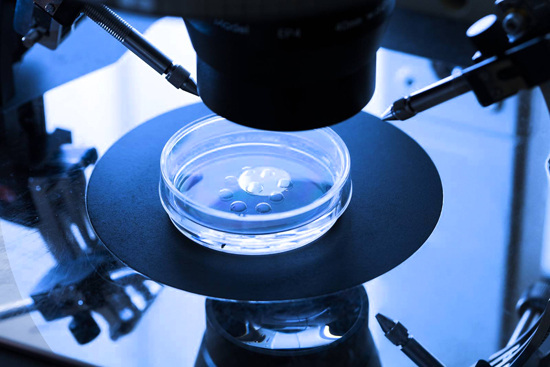
A Scottish court has recently ruled that a woman was able to use her deceased husband’s sperm for IVF. The couple were pursuing fertility treatment when he died from cancer. Her late husband had stored his sperm before he died in the hope of starting a family. However, he had only given consent to intrauterineContinue reading “Posthumous use of Gametes and the Protection of Future Families”
Tag Archives: law
Do Not Resuscitate Orders: A New System of Consent?
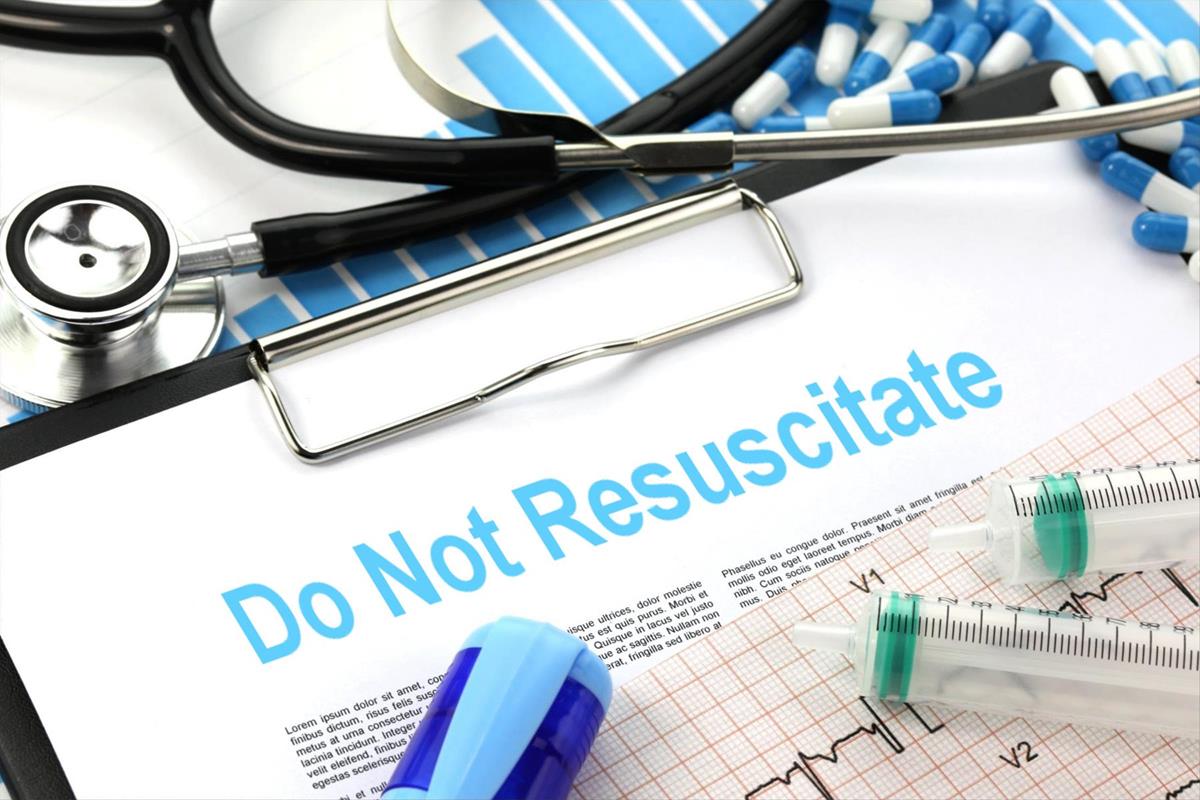
During the coronavirus pandemic, it has come to light that do not resuscitate orders (DNROs) have been applied in a blanket manner to vulnerable and elderly patients. These have been implemented without discussion or consultation with the patient or their families. Whilst decisions for DNROs are often made in the patient’s best interest, practice isContinue reading “Do Not Resuscitate Orders: A New System of Consent?”
COVID-19 Vaccine: Safety vs Autonomy
The COVID-19 pandemic is responsible for the deaths of thousands of people and there is currently no effective cure or vaccine. There has been a £25m research response to the pandemic, which is funding approximately 27 research projects with the aim to develop an effective vaccine or treatment, as well as improve the understanding ofContinue reading “COVID-19 Vaccine: Safety vs Autonomy”
Organ Donation and Presumed Consent: The Power of Family Veto

Upon death in the UK, the deceased’s money and property are protected, however their body is not. This raises difficult ethical questions about the power of autonomy after death. Does self-determination weigh appropriately against family veto under the new organ donation laws in England? The Organ Donation (Deemed Consent) Act 2019 Regulations 2020 came intoContinue reading “Organ Donation and Presumed Consent: The Power of Family Veto”
 themedical.law.blog